Sweet Samos, Sticky Kostaki
If you like the idea of Not Yet Named making a dessert wine, then pre-order however many bottles you want! You can do it either by using up your subscription credit on the app or by purchasing on the website!
Should we Make a sweet Wine?
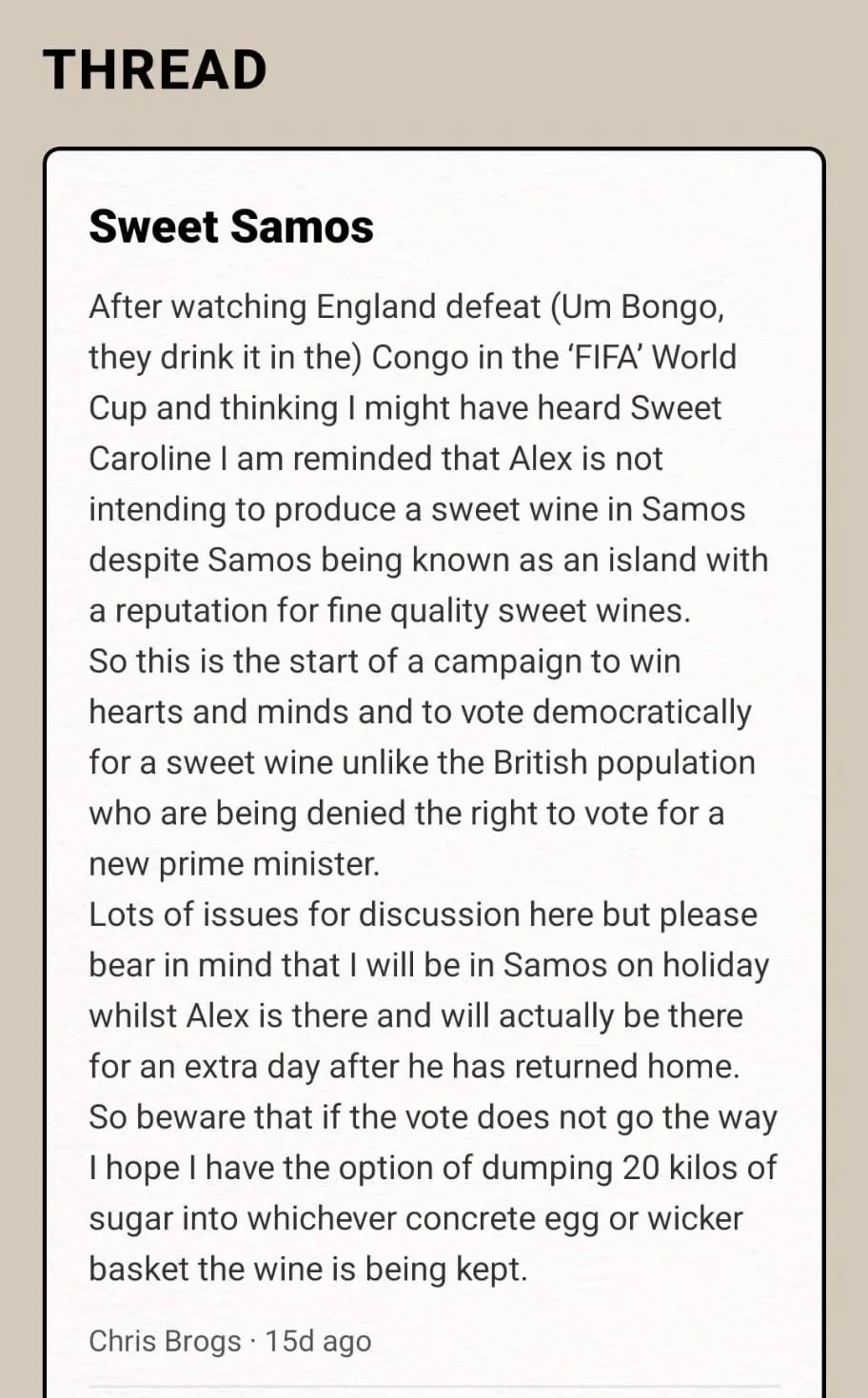
The debate that kicked it all off
Why the hell not?! The truth is that this is another one of those opportunistic opportunities that I love to take on, assuming we get enough support. This all came about because my dad has used the new ‘heated debate’ forum on the app pile on the pressure to make a sweet wine in Samos, and, more importantly, after Lorenz having seen the post, I was told that the opportunity is genuinely there despite Kostaki not making one themselves… It’s a quite a unique thing in the Not Yet Named community that when a member has an idea, we can sometimes respond to it! Sometimes the democracy can extend beyond the votes.
From my perspective, I want Not Yet Named to make a full range of wines so that the subcribers can learn about new things and have lots of variety to choose from. Sweet wine gives us something completely new to learn about, something new for me to understand properly, and another process for everyone to get involved in.
Commercially, though, it is slightly risky. Sweet wine is one of Samos’s great traditions, but I need to know that enough of you genuinely want some before committing to it. My suspicion is that, in a straight sweet-versus-dry vote (as I was originally considering), plenty of people would love to vote for the sweet option and follow the process, but perhaps not actually take the wine at the end. I was able to canvas opinion at our most recent tasting and was advised sensibly to take this approach to a “vote”.
This time you will vote with your virtual wallet by pre-ordering however many bottles you want You can use your existing credit in the app, or buy more if necessary. That way, we find out whether the idea is not only interesting, but commercially viable too. If we hit our targets, a sweet wine will be made, if not your credit returned.
Sweet SAmos
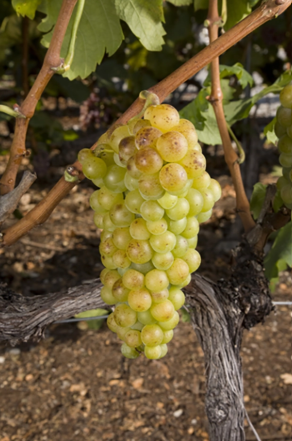
White Muscat, generally identified as Muscat Blanc à Petits Grains consistently produces excellent sweet wiens in a variety of styles. Moscato d’Asti immediately springs to mind, as does Muscat de Beaumes de Venise, Samos itself has 4 different styles, one of which would be our preference.
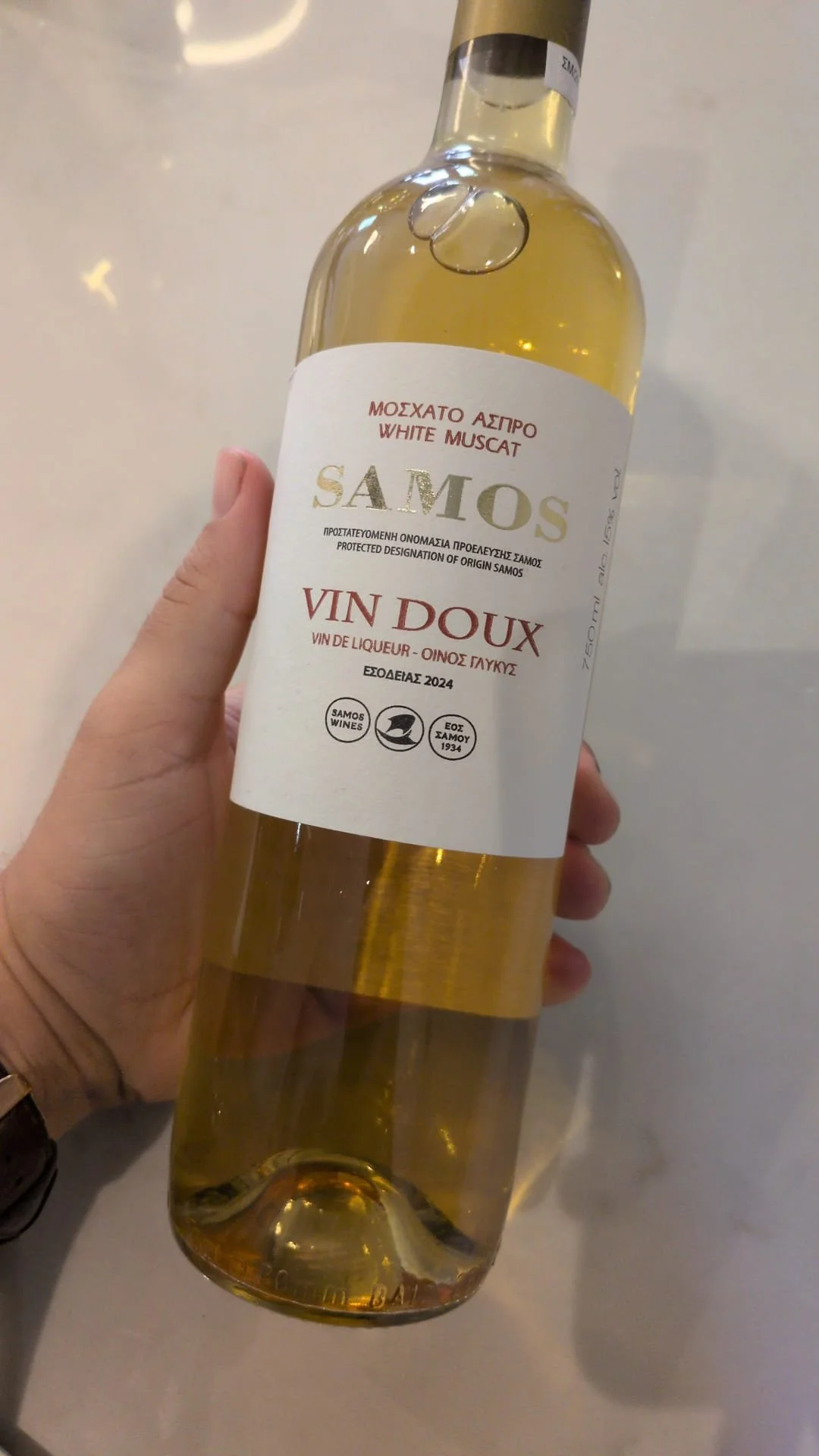
The Island of Samos has an incredible wine heritage, stretching back perhaps as far as 1200 BC. The fact that all production is controlled by the Cooperative (The Union Of Winemaking Cooperative of Samos, est. 1934) doesn’t usually lead to top quality, but they’ve done a very good job over the years, now it’s time for us to take them on!
The term “Vin Doux” in Samos does not describe a single product. They produce several versions distinguished by method and ageing time, and understanding the difference will help you navigate what this wine could end up being.
Classic Samos Vin Doux is technically a vin de liqueur: mutage (a new word for me, I think it means arresting the ferment) takes place on the skins or on the not-yet-fermented must, with 96% vol. spirit added before the yeasts have done much of their work. This makes it sweeter and more alcohol-forward than a classic vin doux naturel, where fermentation is halted halfway through. The result has a pale golden colour, straightforward aromas of ripe apricot and melon, and a structure that makes no claims to complexity: it wants to be immediate, aromatic, and served cold. We tried the wine to right at a recent tasting. It hadn’t seen a fermentation in its life and the lack of complexity was clear.
Samos Anthemis steps up a level: same base, but with at least three years of ageing in oak barrels. The wood introduces controlled oxidation; the fresh fruit notes give way to hazelnut, caramel, chocolate, and dried fruit. This is the oak-aged Vin Doux, with more structure and less straightforwardness.
Samos Grand Cru requires grapes from selected vineyards with a minimum sugar content of 252 g/l, higher than the 221 g/l of the other versions. Oak ageing here too lasts at least three years, but on more concentrated raw material. It is the cooperative’s flagship product.
Samos Nectar is technically different: it is made from sun-dried grapes, so it is closer to a passito than a "‘mutaged” wine. Fermentation stops naturally due to the high alcohol concentration reached. Due to the extedned ageing required for the others, these is where our attention will likely be focussed.
What would we do?
We might have a broad choice between a traditional, richly sweet Samos style or a fresher, less sweet and more modern interpretation, but whether we have that decision or not really depends on how many bottles are pre-sold.
Part of what will make this viable is that Kostaki themselves also fairly often get requests for a sweet wine, even though deep down they are looking to show what Muscat can do beyond these dessert wines. So they would like just a small amount to have on hand to meet their own demand.
If demand from you is modest and we have a shared batch with Kostaki, then it will be in the ‘dictator’ range, albeit the most collbaoartive one yet! However, if demand is strong, a fully democratic Not Yet Named batch could be coming your way!
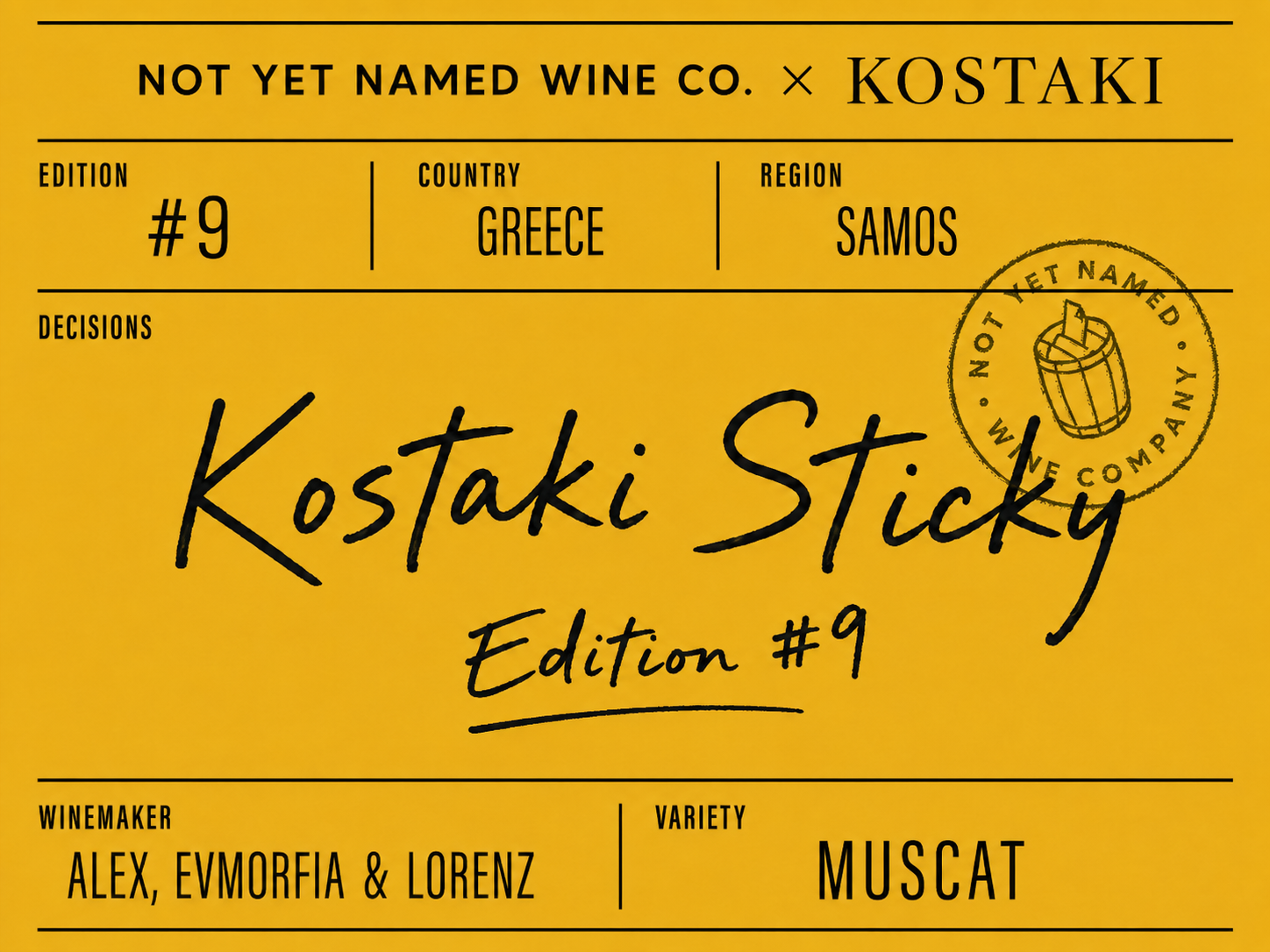
Crowd fund a sweet wine!
Samos is famous for it’s dessert wine Muscats. Everybody loves them but rarely buy them so I’m not convinvced there’s a sound commerical logic for it. However, if we sell a few hundred bottles then I’ll be wrong and delighted to make one!
If we get to 300 bottles (375ml) we will share a barrel with Kostaki, if we sell loads then we’ll get our own :)